Intermittent Fasting: Does It Actually Work or Is It Just Skipping Breakfast?
Cut through the hype surrounding intermittent fasting. Discover the hard science behind time-restricted eating, why it's a behavioral weapon for fat loss, and the exact protocols to implement it without sacrificing muscle.
Let’s get straight to the point. You’ve heard the tech executives, the fitness influencers, and the biohackers preach about intermittent fasting (IF). They talk about it like it’s a metabolic cheat code—a mystical state of being where your body incinerates fat, multiplies your focus, and turns you into an unstoppable machine.
Let’s strip away the marketing. Is intermittent fasting actually a biological hack, or are you just skipping breakfast and giving it a fancy name?
The short answer: It’s both. But if you don't understand the mechanics of why it works, you're going to waste your time, lose muscle, and crash hard. Here is the unvarnished truth about intermittent fasting, what the research actually says, and how to use it to strip off body fat without sacrificing your hard-earned muscle.
The Hard Truth: Thermodynamics and the "Magic" Myth
Let’s kill the biggest myth first: Intermittent fasting does not bend the laws of thermodynamics. If you fast for 16 hours and then consume 4,000 calories of pizza and beer in your 8-hour feeding window, you are going to get fat. Period.
A landmark study published in the New England Journal of Medicine took two groups of overweight adults. Both groups were put on a calorie-restricted diet. One group ate their meals whenever they wanted throughout the day. The other group was restricted to an 8-hour eating window.
The result? Both groups lost the exact same amount of weight. There was no magical fat-burning advantage to the fasting window when calories were equated.
So, if it’s just about calories, why bother? Because human beings are not spreadsheets. We are biological machines driven by hormones, habits, and psychology. Intermittent fasting works exceptionally well not because it changes the math of weight loss, but because it changes your behavior.
Why It Actually Works: The Behavioral Guardrails
Men thrive on rules. "Eat less" is a terrible, vague directive. It requires constant decision-making and willpower, both of which deplete as the day goes on.
"Do not consume calories before 12:00 PM or after 8:00 PM" is a binary, unbreakable rule. It eliminates decision fatigue. By entirely removing one meal from your day—usually breakfast—you effortlessly remove 500 to 800 calories from your daily intake. You aren't grazing. You aren't snacking at midnight. You are operating within a structured framework.
That is the true power of IF. It is a behavioral guardrail that forces a calorie deficit without requiring you to weigh every single ounce of food you put in your mouth.
The Biological Mechanics: What Happens Inside Your Body
While the weight loss comes down to the calorie deficit, fasting does trigger specific biological adaptations that make losing fat and maintaining energy significantly easier. When you stop feeding your body every three hours, your physiology shifts.
1. Insulin Management and Lipolysis
Every time you eat, your pancreas secretes insulin to shuttle nutrients into your cells. While insulin is elevated, your body is in storage mode. Fat burning (lipolysis) is effectively shut off. When you fast for 12 to 16 hours, your insulin levels plummet to baseline. With insulin out of the way, your body is forced to mobilize stored body fat for energy. You aren't necessarily burning more total fat over 24 hours (again, thermodynamics), but you are spending a massive, uninterrupted block of the day utilizing fat as your primary fuel source.
2. The Ghrelin Adaptation
Ghrelin is the hormone that makes you hungry. Most guys think that if they skip breakfast, their hunger will build infinitely until they pass out. That’s not how ghrelin works. Ghrelin operates on a circadian rhythm based on your normal eating habits. If you usually eat at 8:00 AM, ghrelin spikes at 7:30 AM. If you ignore it, the spike passes. After 3 to 5 days of intermittent fasting, your body stops releasing ghrelin in the morning entirely. The hunger vanishes.
3. Human Growth Hormone (HGH) Preservation
One of the biggest fears men have about fasting is losing muscle. Evolutionarily, it makes no sense for your body to cannibalize muscle tissue after a few hours without food; if our ancestors lost their strength every time they missed a meal, we would be extinct. During a fast, Human Growth Hormone (HGH) levels spike significantly. This hormonal surge protects lean muscle mass and promotes fat utilization.
4. Autophagy: The Cellular Cleanup
Autophagy is the body’s process of clearing out damaged cells and regenerating new ones. Think of it as taking out the cellular trash. Influencers highly overstate this to sell supplements, but it is a real phenomenon. Autophagy generally begins to ramp up around the 16-to-18-hour mark of a fast. It’s a nice longevity bonus, but don't obsess over it. You are here to get lean and strong, not to starve yourself for 72 hours chasing microscopic cell cleanup.
The Protocols: Choosing Your Weapon
There are dozens of fasting protocols. Forget the overly complicated ones. Here are the only three you need to know, and the one you should actually use.
The 16:8 Method (The Standard)
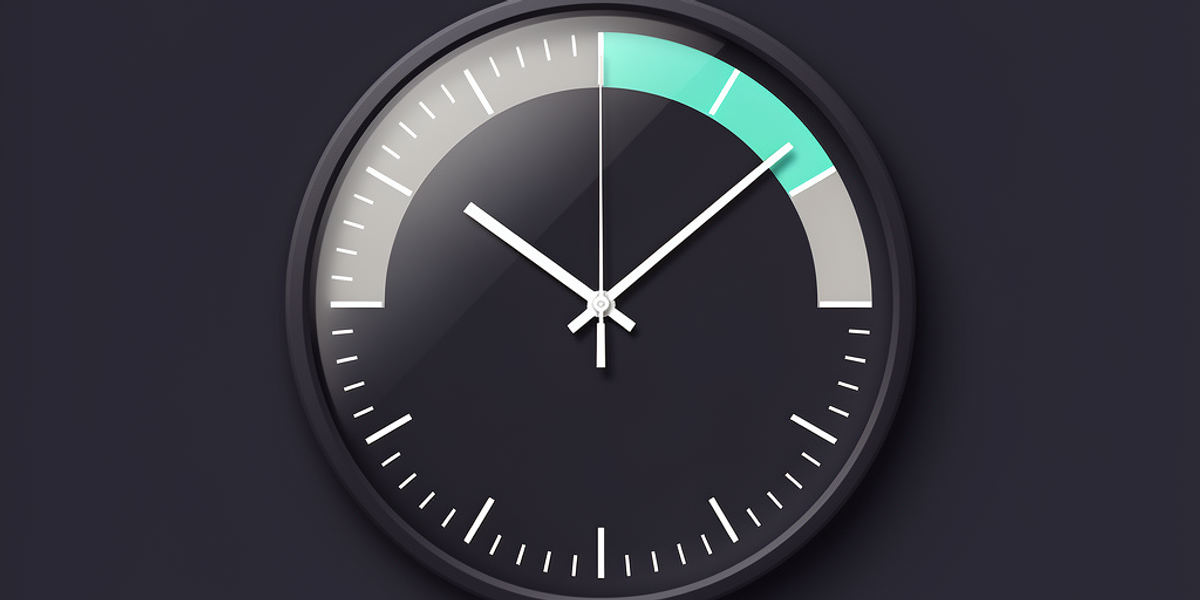
You fast for 16 hours and eat all your meals within an 8-hour window. This is the gold standard. It is long enough to reap the hormonal and behavioral benefits, but the feeding window is wide enough to comfortably consume enough protein to maintain or build muscle. Example: Fast from 8:00 PM to 12:00 PM the next day. Eat between 12:00 PM and 8:00 PM.
The 18:6 Method (The Aggressive Cut)
You fast for 18 hours and eat within a 6-hour window. This is highly effective for aggressive fat loss phases. It forces a tighter calorie deficit. However, getting 150+ grams of protein in 6 hours requires planning and can leave you feeling uncomfortably full.
OMAD (One Meal A Day)
You fast for 23 hours and eat one massive meal. Avoid this if you care about your physique. While it drives rapid weight loss, it is nearly impossible to consume your daily protein requirements and necessary micronutrients in a single sitting without severe gastrointestinal distress. It also limits muscle protein synthesis to a single spike per day, which is suboptimal for retaining muscle.
Where Intermittent Fasting Fails
IF is a tool. Like any tool, it can be used poorly. You need to know when to leave it in the toolbox.
1. You are trying to bulk. If your goal is to add 10 pounds of muscle, you need to be in a calorie surplus. Trying to force-feed yourself 3,500 clean calories in an 8-hour window is miserable. If you want to get big, eat breakfast.
2. You ignore food quality. Fasting does not give you a hall pass to eat garbage. If you break your fast with a box of donuts and a frozen pizza, you will feel lethargic, your blood sugar will skyrocket, and your body composition will suffer. Macros and micros still matter.
3. You use it to justify binge eating. If fasting for 16 hours makes you feel so deprived that you gorge yourself uncontrollably during your feeding window, IF is not for you. It should teach discipline, not trigger eating disorders.
Fasted Training: Lifting on an Empty Tank
Can you lift weights while fasting? Yes. Should you? It depends on your schedule and tolerance.
When you lift fasted, your muscle glycogen stores are partially depleted. For the first two weeks, you might notice a 5-10% drop in your top-end strength or stamina. This is normal. Your body is adapting to utilizing fat and internal substrates for fuel.
If you train in the morning and don't break your fast until noon, you are not going to lose all your muscle. The "anabolic window" is largely a myth; muscle protein synthesis is elevated for 24-48 hours after a workout. However, if you want to optimize recovery, you can consume Essential Amino Acids (EAAs) during your workout, or simply shift your eating window to start immediately after your morning session (e.g., eat from 9:00 AM to 5:00 PM).
Your Action Plan: How to Execute TODAY
Stop reading and start doing. If you want to use intermittent fasting to lean out, here is your exact blueprint to start tomorrow morning.
Step 1: Set Your Window and Defend It
Choose the 16:8 protocol. Pick an 8-hour window that fits your social and work life. For most men, 12:00 PM to 8:00 PM is optimal. It allows you to skip breakfast while at work and still eat dinner with your family or friends. Once you set the window, defend it. 8:01 PM means the kitchen is closed.
Step 2: Master the Fast
During your 16-hour fasting window, you are allowed three things: Water, black coffee, and plain tea. That’s it.
- No milk or cream in your coffee.
- No artificial sweeteners (they can trigger an insulin response in some individuals).
- No "zero-calorie" energy drinks.
Drink 16-24 ounces of water immediately upon waking. Add a pinch of sea salt to your morning water to replenish electrolytes and stave off fasting-induced headaches.
Step 3: Break the Fast Tactically
How you break your fast dictates your energy for the rest of the day. Do not break a 16-hour fast with a massive plate of carbohydrates. It will spike your insulin, crash your blood sugar, and put you to sleep at your desk.
Break your fast with a meal high in protein and healthy fats, with minimal carbs. Example: 4 scrambled eggs, half an avocado, and a handful of spinach. Save your larger carbohydrate intake (rice, potatoes, oats) for your post-workout meal or your final meal of the day to replenish glycogen and help you sleep.
The 14-Day Challenge
Knowledge without execution is useless. If you are carrying extra body fat and your current routine isn't working, I am challenging you to 14 days of strict 16:8 intermittent fasting.
For the next two weeks:
- Zero calories before noon.
- Zero calories after 8:00 PM.
- Hit 1 gram of protein per pound of your target body weight within your window.
- Lift heavy at least three times a week.
Expect the first three days to be slightly uncomfortable as your ghrelin levels adapt. Push through it. By day five, the morning hunger will disappear, your mental clarity will sharpen, and you’ll realize how much time and energy you used to waste obsessing over breakfast.
Fasting isn't magic. It's discipline. Execute.

Alex Rivera
Sports Nutritionist, CSCS
Certified sports nutritionist who cuts through supplement BS and diet fads. Alex writes about real food for real performance — no gimmicks.
View full profile →