Why You're Tired All the Time: The Energy Crisis Men Ignore
Stop blaming your age for your lack of energy. You aren't just getting older—you are mismanaging your biology. Fix dehydration, blood sugar crashes, low testosterone, and poor sleep with these protocols so you can finally wake up driven.
You wake up tired. You drag yourself to the coffee maker. You hit a wall at 2 PM, mentally check out by 4 PM, and spend your evening scrolling on the couch because you have nothing left in the tank.
You tell yourself this is just what happens when you get older. You tell yourself it's the cost of taking on more responsibilities, building a career, or raising a family.
Stop lying to yourself.
Chronic fatigue is not a badge of honor for the hard-working man. It is a biological failure. Energy is the baseline currency of a high-performing life. Without it, your discipline wavers, your patience snaps, your workouts suffer, and your ambition dies. If you are constantly running on empty, you are leaving money, progress, and life on the table.
You do not need another motivational podcast. You do not need a stronger pre-workout or a fourth cup of coffee. You need to fix the leaks in your biological system. You need to look under the hood and address the mechanical failures that are draining your battery.
Here are the five actual reasons you are exhausted, the mechanics behind why they drain you, and the exact, no-BS protocols to fix them starting today.
Dehydration: The Invisible Drain
Most men exist in a state of chronic, low-grade dehydration. You think you drink enough water because you have a glass with dinner, but your cells are starving for fluid.
Your brain is 73% water. When you are even 2% dehydrated, your physical performance drops, your cognitive function slows down, and you experience clinical fatigue. Why? Because dehydration reduces your blood volume. When your blood volume drops, your blood becomes thicker. Your heart has to pump significantly harder to deliver oxygen and nutrients to your brain and muscles. That extra mechanical effort drains your systemic energy.
Furthermore, you lose nearly a pound of water overnight through respiration and sweat. Waking up and immediately pouring a diuretic (coffee) into your system is like starting a road trip with a leaking radiator.
The Protocol
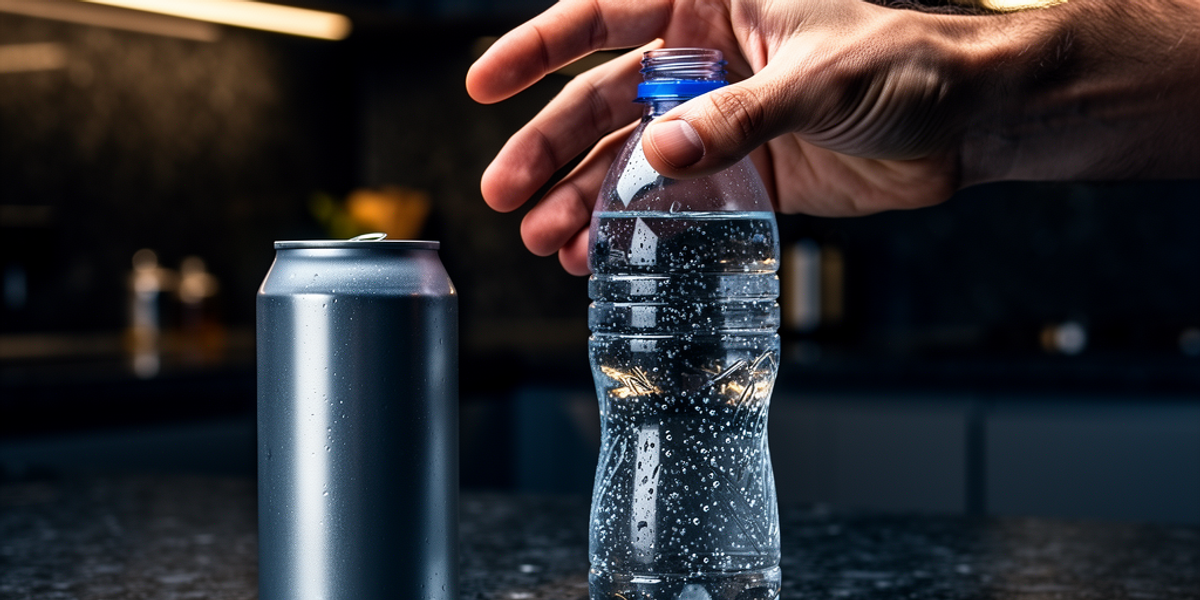
- The Morning Flush: Before you look at your phone, before you take a shower, and absolutely before you drink coffee, consume 30 ounces (approx. 1 liter) of room-temperature water.
- The Electrolyte Fix: Plain water isn't enough; you need minerals to pull that water into your cells. Add a pinch of high-quality Celtic sea salt or Himalayan pink salt to your morning water, or use a sugar-free electrolyte powder.
- The Daily Target: Drink half your body weight in ounces of water per day. If you weigh 200 pounds, your baseline is 100 ounces. Add an extra 20 ounces for every hour of intense exercise.
The Blood Sugar Rollercoaster
If you crash hard between 1 PM and 3 PM, you do not have a caffeine deficiency. You have a blood sugar problem.
When you eat a breakfast or lunch high in simple carbohydrates—bagels, cereal, sweetened yogurt, or even a massive bowl of rice with your chicken—your blood glucose spikes. In response, your pancreas dumps a massive amount of insulin into your bloodstream to shuttle that toxic level of glucose out of your blood and into your cells.
This aggressive insulin response usually overshoots the mark, causing your blood sugar to plummet below baseline. This is reactive hypoglycemia. When your blood sugar crashes, your brain perceives a threat to its fuel supply. It triggers the release of stress hormones, shuts down higher-level executive function, and makes you feel lethargic, irritable, and desperate for a nap.
Additionally, high carbohydrate meals suppress orexin, a neuropeptide in your brain responsible for wakefulness and drive.
The Protocol
- 30 in 30: Consume 30 grams of high-quality protein within 30 minutes of waking up. Think eggs, steak, or a whey protein shake. This stabilizes your blood sugar for the rest of the day and blunts cortisol.
- Carb Timing: Earn your carbs. Restrict simple carbohydrates and heavy starches to your post-workout window when your muscles are primed to absorb glucose without massive insulin spikes. For lunch, stick to meat, healthy fats, and green vegetables.
- The 10-Minute Walk: Take a brisk 10-minute walk immediately after your largest meals. Muscle contraction acts as a glucose sink, absorbing sugar from your blood independently of insulin, which flattens the glucose curve and prevents the crash.
Poor Sleep: Unconsciousness is Not Recovery
You might be in bed for eight hours, but that does not mean you are sleeping for eight hours. There is a massive difference between being unconscious and experiencing restorative sleep.
Men routinely sabotage their sleep architecture. If you drink alcohol before bed, you might fall asleep faster, but alcohol acts as a chemical block on REM sleep. You spend the night in light, fragmented sleep, waking up exhausted regardless of the hours logged.
If you stare at a screen until the minute you close your eyes, the blue light suppresses melatonin production, delaying your entry into deep, physically restorative sleep. Deep sleep is when your body releases human growth hormone (HGH) and clears metabolic waste from your brain. Shortchange your deep sleep, and you will wake up feeling like you were hit by a truck.
The Protocol
- The 3-2-1 Rule: Stop eating large meals 3 hours before bed (digestion raises core body temperature, preventing deep sleep). Stop working 2 hours before bed (to let cortisol drop). Stop looking at screens 1 hour before bed.
- The Ice Cave: Your core body temperature needs to drop by 2 to 3 degrees Fahrenheit to initiate and maintain deep sleep. Set your bedroom thermostat to 65°F (18°C). Make the room pitch black. If you can see your hand in front of your face, it is not dark enough.
- Supplement Smartly: Drop the over-the-counter sleep aids; they build tolerance and cause hangovers. Take 400mg of Magnesium Glycinate 45 minutes before bed. It down-regulates the central nervous system and promotes deep muscle relaxation.
Low Testosterone: The Drive Killer
This is the silent epidemic. Average testosterone levels in men have been dropping by roughly 1% per year for the last few decades. A 30-year-old man today has significantly less testosterone than a 30-year-old man did in the 1980s.
Testosterone is not just about building muscle or sex drive. It is the hormone of effort. It regulates dopamine production in the brain. When your testosterone is low, your baseline energy plummets. You experience brain fog. You lose your competitive edge. The friction required to start a difficult task feels insurmountable.
If you are carrying excess body fat (which converts testosterone into estrogen via the aromatase enzyme), sleeping poorly, and living a sedentary lifestyle, your endocrine system is suffocating.
The Protocol
- Get the Data: Stop guessing. Go to a clinic and get a comprehensive male hormone panel. You need to check Total Testosterone, Free Testosterone, SHBG (Sex Hormone Binding Globulin), and Estradiol. If your Total T is below 400 ng/dL, or your Free T is in the gutter, you have found a major source of your fatigue.
- Lift Heavy: Resistance training, specifically heavy compound movements like squats, deadlifts, and presses, triggers a natural acute release of testosterone.
- Optimize the Precursors: Your body cannot synthesize testosterone without raw materials. Ensure you are getting adequate dietary cholesterol (eat your egg yolks), supplement with 5,000 IU of Vitamin D3 daily (most men are deficient), and take 30mg of Zinc.
Iron and Ferritin Deficiency: The Oxygen Bottleneck
Men often ignore iron because it is culturally viewed as a "women's issue" due to menstruation. This is a critical mistake.
Iron is a fundamental component of hemoglobin, the protein in your red blood cells responsible for carrying oxygen from your lungs to the rest of your body. Ferritin is the protein that stores iron in your cells. If your ferritin levels are low, your body's oxygen transport system becomes highly inefficient.
You can breathe all the air you want, but if your blood cannot effectively carry that oxygen to your brain and muscles, you will experience a deep, heavy, unshakeable fatigue. This is often accompanied by shortness of breath during minor exertion and cold hands or feet.
Men who train intensely, sweat heavily, or donate blood frequently are at a higher risk of depleting their ferritin stores.
The Protocol
- Test, Don't Guess: When you get your hormone panel, add a full Iron Panel including Ferritin. Optimal ferritin levels for men are generally between 70 and 150 ng/mL. If you are below 50 ng/mL, you are likely feeling the effects.
- Dietary Adjustments: The most bioavailable form of iron (heme iron) comes from animal proteins. Eat high-quality red meat, bison, or incorporate beef liver into your diet once a week.
- Supplement with Care: Do not supplement iron blindly, as excess iron in men can cause oxidative stress and organ damage. Only supplement if your blood work confirms a deficiency, and pair it with Vitamin C to increase absorption.
The Challenge
You now have the blueprint. You know the biological mechanisms keeping you tired, and you have the exact protocols to fix them.
Reading this changes nothing. Action changes everything. Do not try to overhaul your entire life by tomorrow morning—that is a recipe for failure.
Pick ONE protocol from this list.
Start with the Morning Flush. Tomorrow morning, before you do anything else, drink 30 ounces of salted water. Execute that single discipline for seven days. Once you feel the baseline energy return, stack the next habit. Fix your protein intake. Then fix your sleep environment. Then get your blood work done.
Your body is a machine. Stop treating it like a garbage disposal and expecting it to perform like a Ferrari. Take control of your biology, fix your energy crisis, and get back to doing the work that matters.

Alex Rivera
Sports Nutritionist, CSCS
Certified sports nutritionist who cuts through supplement BS and diet fads. Alex writes about real food for real performance — no gimmicks.
View full profile →